About this tour
Long before Greece and Rome, long before Egypt reached its peak, the cities of Mesopotamia were already writing history. Literally: the world's first writing system, the first legal code, the first epic literature — all were born in the land between the Tigris and the Euphrates.
The Louvre holds one of the world's great Mesopotamian collections, including colossal Assyrian reliefs, the stele of Hammurabi, extraordinary Sumerian statuary, and the magnificent glazed-brick friezes from Persepolis. This tour brings all of it to life.
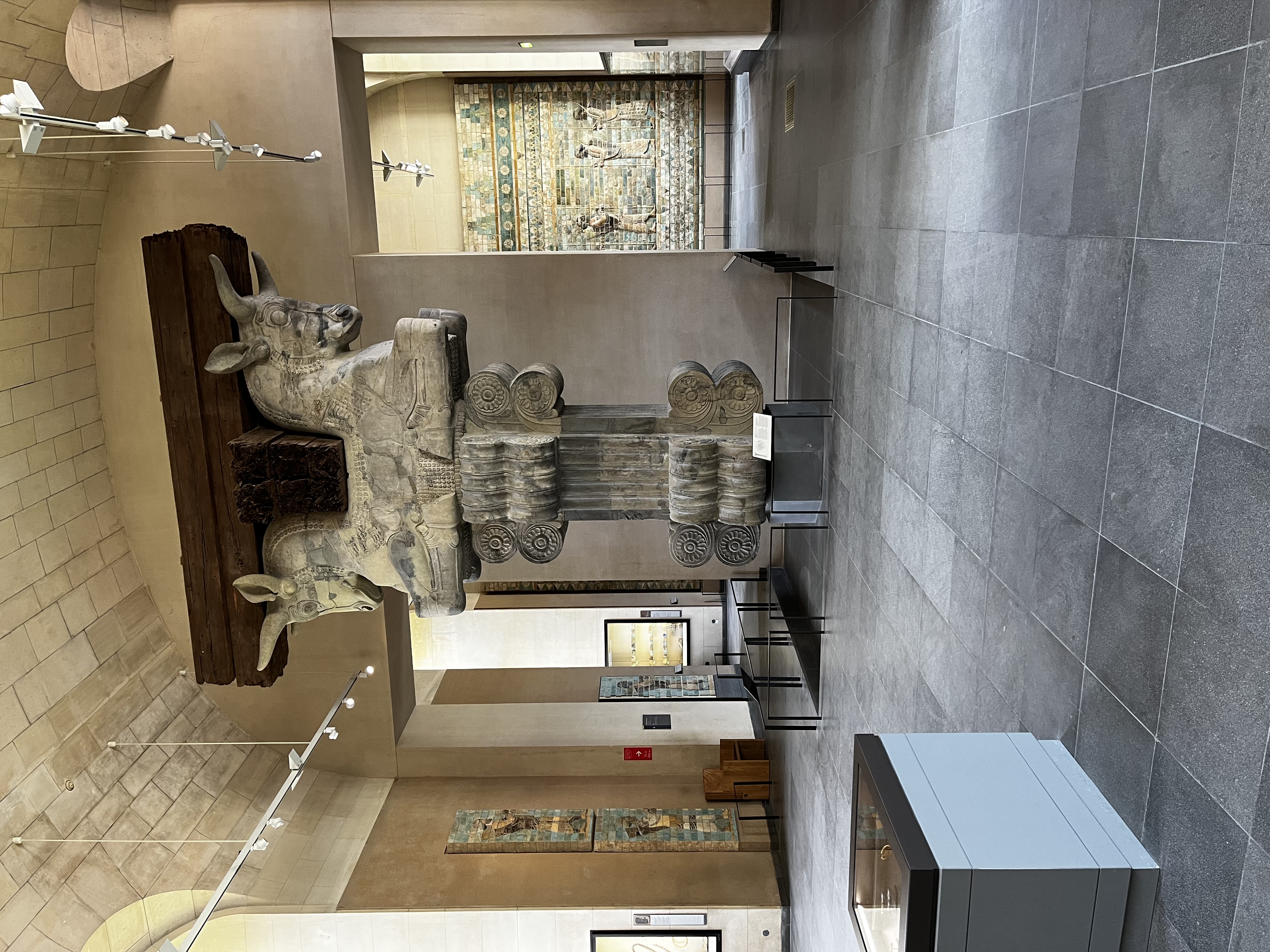
The Bull Capital of Susa — one of the most astonishing objects in the entire Louvre
What you will see
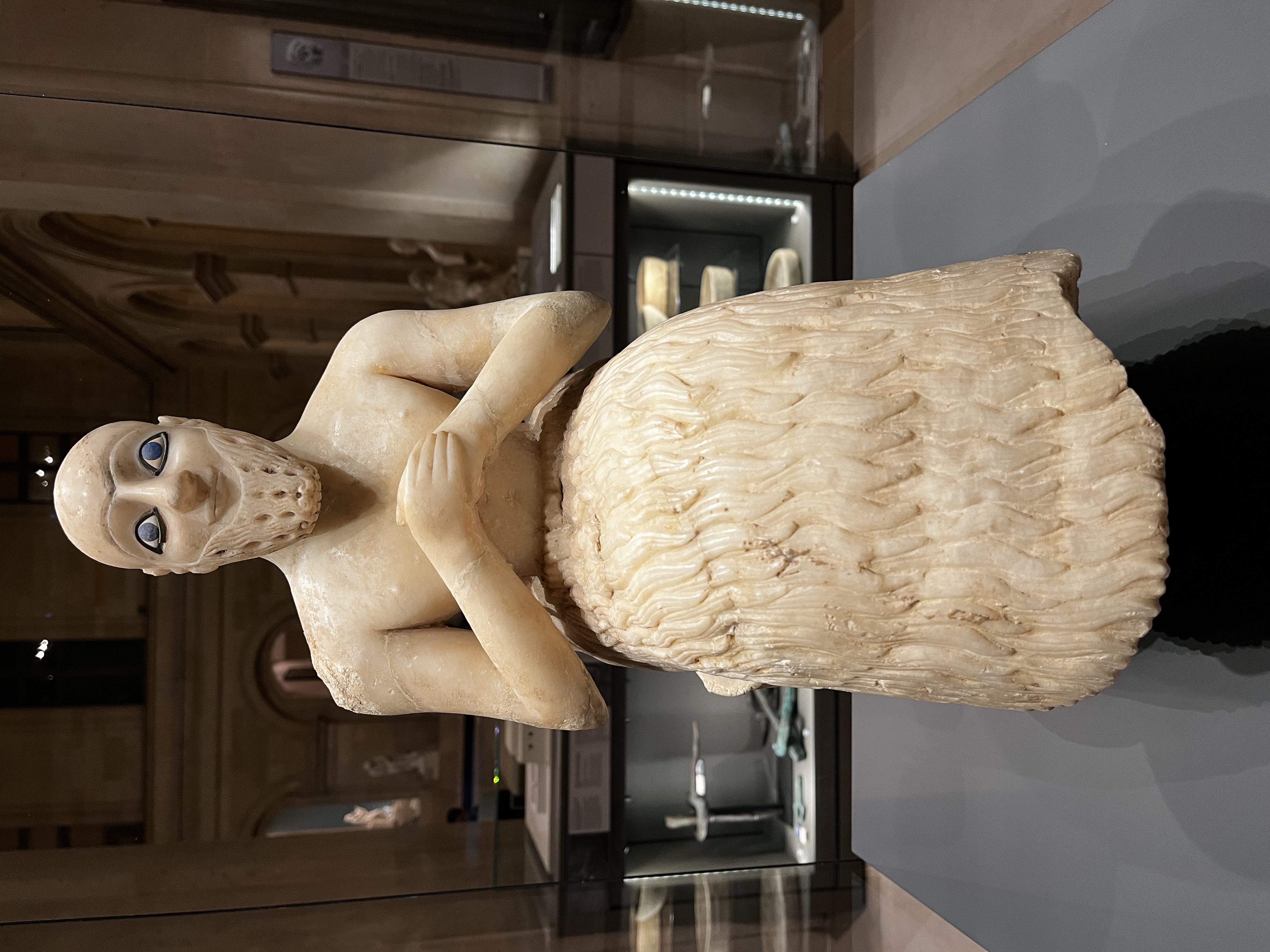
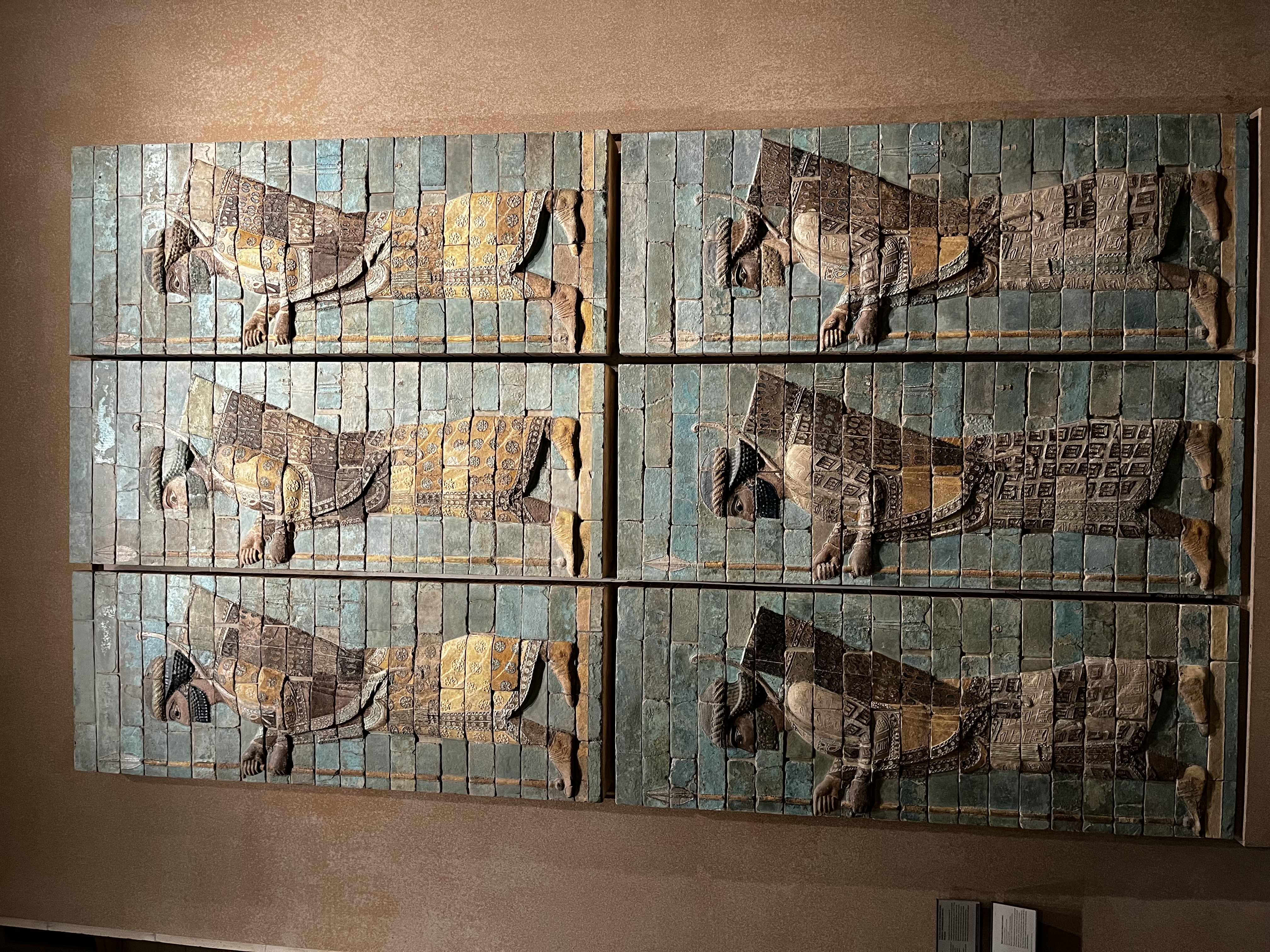
The tour moves through the great civilisations of the ancient Near East: Sumer, Akkad, Babylon, Assyria, and Persia. We encounter the stele of Hammurabi, the winged human-headed bulls of the Assyrian palaces, the extraordinary friezes of archers from Susa, and the haunting early Sumerian votive statues with their wide blue eyes.
If there is a particular civilisation, object, or period you are most curious about, mention it in your request. While nothing can be promised, every effort will be made.
Who is this tour for?
This tour is perfect for visitors who want to go beyond the familiar landmarks of ancient history and discover civilisations that shaped the entire world. It is also particularly engaging for children aged 10 and above, for whom the scale and strangeness of Mesopotamian art tends to make a strong impression.
Availability
The Louvre is closed on Tuesdays. Availability for other days is being confirmed — please enquire directly and we will advise on the best day for your visit.
Important notice
The Louvre is a living museum. Rooms may occasionally close without notice for operational reasons, and works are regularly moved for restoration, loans, or temporary exhibitions. The three great icons of the collection — the Mona Lisa, the Venus de Milo, and the Winged Victory of Samothrace — are on permanent display and accessible whenever the museum is open. For any other specific work, if it is unavailable on the day, an equally fascinating alternative will always be proposed.